
Fast Starts, Turns, Underwaters With Fast Freestyle & Butterfly Technique Swim Camp, Fargo, ND
Fargo North High School
801 17th Ave N (Door #1),
Fargo,
ND 58102
Introducción
Fitter & Faster is producing a 2-day Camp for competitive swimmers ages 10 & over at Fargo North High School in Fargo, North Dakota, on February 14 & 15, 2026! Swimmers will learn the skills that make racing feel smoother, faster, and more confident—from powerful starts to clean turns and strong underwaters. They’ll build and practice the essential techniques behind a fast start, flip turn, open turn, and underwaters, while also improving their butterfly and breaststroke skills in a supportive, encouraging environment.
Every session is designed to help swimmers understand why each skill matters, so they leave not just swimming better—but believing in what they can do next.
Fast Starts, Turns, Underwaters, With Fast Freestyle & Butterfly Technique Swim Camp (Ages 10 & Over)
DAY 1 (Saturday, February 14):
-> Session 1: Freestyle Technique
-> Session 2: Butterfly Technique
DAY 2 (Sunday, February 15):
-> Session 3: Starts, Underwaters, & Breakouts
-> Session 4: Turns & Finishes
🔽 Scroll down for details on the curriculum!
✔️ Availability in each session is limited to 24 participants to ensure the highest level of learning experience.
💡 SAVE when you purchase the “Entire Camp Bundle” for your swimmer.
⏰ Don’t wait - Prices will go up as the camp gets closer! Secure your spot at the lowest rate today.
SESSION START TIMES (BOTH DAYS):
-> Session 1: Check-in 10:15 AM, Camp 10:30-1 PM
-> Session 2: Check-in 1:45 PM, Camp 2-5 PM
Participantes sugeridos
Our top priority is to provide a world-class learning experience for all participants at all of our camps. This camp has sessions for swimmers ages 10 & older. Participants will range from one year of competitive swimming experience to AAAA times and faster. If you are the parent of a swimmer under the age of 9 and would like for your swimmer to be considered for the younger sessions of this camp, please complete this questionnaire.
Plan de estudios
At this camp, swimmers will learn the skills that make racing feel smoother, faster, and more confident—from powerful starts to clean turns and strong underwaters. They’ll build and practice the essential techniques behind the fast start, flip turn, open turn, and underwaters, while also improving their butterfly and breaststroke skills in a supportive, encouraging environment. Every session is designed to help swimmers understand why each skill matters, so they leave not just swimming better—but believing in what they can do next.
- Session 1: FAST FREESTYLE TECHNIQUE: Whether your swimmer is just learning freestyle or already competing at the high school level, it’s never too late to build strong habits. In this session, your swimmer will work on bodyline, rotation, breathing, kick, and pull—five key elements that contribute to an efficient, powerful freestyle.
- Bodyline: A streamlined body position is the foundation of a fast freestyle. Even small adjustments to head, neck, or back alignment can make a significant difference. As swimmers grow and mature, they often develop habits that disrupt bodyline. Your swimmer will learn how to maintain proper posture and engage the core to stay long and hydrodynamic through every stroke.
- Breathing: Efficient breathing is a challenge but critical to maintaining bodyline. Lifting the head too high causes hips to drop and drag to increase. Clinicians will work with participants to keep the head low and horizontal during the breath, using controlled rotation of the neck and body for a smooth, quick inhale.
- Rotation: Freestyle is most powerful when the swimmer rotates around their spine with each stroke. Rotation allows swimmers to use their back and core muscles during the pull, making the stroke stronger and more sustainable. Your swimmer will learn how to glide on one side and initiate rotation as the pulling hand begins its movement.
- Kicking: The kick is the motor of freestyle. Swimmers must drive from the hips and knees with good timing and control. This session will help your swimmer understand how to adjust kick tempo and power to provide speed when they want or need it.
- Pull: Clinicians will teach participants to establish a “high elbow catch,” also known as early vertical forearm, to apply pressure to the water immediately. Swimmers will then work on pushing water directly back towards their feet with sustained leverage, engaging large muscle groups for a powerful finish to each stroke.
- Session 2: FAST BUTTERFLY TECHNIQUE: We want your swimmer to establish a rhythmic butterfly. Today we will practice various drills and skills that will enable your swimmer to have flowing hips and a long, more powerful butterfly stroke.
- Bodyline: A butterfly race is going to be fastest with a proper bodyline. Even the slightest adjustment of the chin, neck, and/or back can make a huge difference. As swimmers mature in the sport and grow physically, their body position shifts and bad habits can emerge. Participants will learn and practice proper posture and engagement of their core to have a strong foundation for better technique - creating a full-body connection for more hydrodynamic and efficient butterfly strokes.
- Kick: Each butterfly stroke has two kicks to propel the swimmer towards the other end of the pool! If the kicks are properly timed and equally strong, they can positively impact your swimmer’s efficiency and stroke timing! Your swimmer will work on how and when to kick in butterfly for maximum speed.
- Pull: Long and smooth strokes allow swimmers to have a more efficient and fluid butterfly. The pull in butterfly keeps a swimmer accelerating forward. Your clinicians will work with participants to establish an early vertical forearm, “the catch”, enabling the swimmers to put immediate pressure back on the water. Properly completing the stroke keeps the swimmer moving forward efficiently and fast.
- Breath: The timing of the breath in butterfly has a direct relationship on a swimmer’s body position, pull, kick and TIMES! At this camp, we will work with participants on breathing with their chin low to the water... and WHEN to breathe in their stroke cycle so that they develop the most efficient stroke possible!
- Session 3: FAST STARTS, UNDERWATERS & BREAKOUTS: The better a swimmer’s technique is off the starting block, the more speed they will carry into the water. Day 1 of this swim camp will help your swimmer improve their start, underwater dolphin kicking and breakouts! This sequence is not only the fastest part of every race, but it is also the part of the race in which elite swimmers cover the most ground with the most efficiency.
- Block Starts: To ensure an explosive start, a swimmer needs to set themselves up properly on the block. The elite clinicians will work with participants on the optimal positioning of your swimmer’s entire body to allow for a quick reaction time and optimal speed.
- Water Entry: Starting the race with a smooth entry into the water will boost your swimmer's speed and carry the momentum generated off the block or wall. Becoming skilled at the water entry is crucial for any start and significantly contributes to your swimmers' overall race!
- Streamline: The streamline - when done properly - is the fastest a swimmer travels while in the water. Proper streamlines are even faster than underwater dolphin kicking. Even the most elite swimmers in the world are constantly working on improving their streamline. Your swimmer will get tips to improve their streamline and a better appreciation of what they need to do on every single wall in practice and in races.
- Initiating Underwater Dolphin Kicking: Top age group and elite swimmers maximize their streamline on every single lap. They don’t start their underwater dolphin kicking while they’re still achieving maximum speed in their streamline! They also don’t want to start the underwater dolphin kicking after their streamline has begun to slow. Your swimmer is going to learn how to time when to begin their underwater dolphin kicking.
- Powerful Underwater Dolphin Kicking: There are a few different techniques that swimmers use when underwater dolphin kicking. The common theme of these techniques is that the best swimmers kick up and down with equal power. We will show your swimmer the different techniques that elite swimmers use and teach them how to implement.
- Number of Underwater Dolphin Kicks: Figuring out the optimal number of kicks off each wall, for each race, is essential to fast swimming. Elite swimmers want to spend only the absolute necessary amount of time underwater to establish speed with each length. They want to avoid losing their breath and taking weak kicks.
- Breakouts: Many swimmers unintentionally add movements in their breakouts that reduce speed by creating drag. In this camp, participants will focus on perfecting their breakout timing to maintain momentum and power into each lap.
- Session 4: FAST FLIP TURNS, OPEN TURNS & FINISHES: Quick, powerful turns and finishes are crucial to fast times and winning close races. The top age group and elite swimmers aren't using walls just for turning around - they are used to generate speed and momentum going into the next lap. Elite swimmers are constantly working their turns and looking for areas to improve them. Today, we're going to work with your swimmer on taking this crucial part of every race (and practice) to the next level!
- Momentum: At the elite level of swimming, walls aren’t just used for turning around - they are used to generate speed and momentum going into the next lap. Outside of the elite ranks, most swimmers stop or slow down while going into the wall, which kills their momentum! We will work with participants on the intricacies of approaching every wall at top speed and seamlessly initiating their “turn”.
- Flip Turns: The fastest swimmers use walls to generate speed and momentum going into the next lap. Outside of the elite ranks, many swimmers stop or slow down while going into the wall, which kills their momentum! We will work with participants on the intricacies of approaching every wall at top speed and seamlessly initiating their “turn”.
- Open Turns: Elite butterflyers and breaststrokers utilize speed from their last lap to create momentum and even more speed at the beginning of the next lap. Their open turns are actually not “turns”, but more like high-speed pivots. Participants in this session will work on these techniques to have much faster open turns!
- Streamline, Underwater Dolphin Kicking, Breakout Progression: At this session participants will continue to work on the progression covered on Day 1.
- Finishes: Setting yourself up for a fast finish is very similar to setting yourself up for a strong turn in any race. Races are won and lost by hundredths-of-a-second at every swim meet. Many races come down to the last few strokes. At this camp, your swimmer will learn techniques to set themselves up for a well-timed finish when they are still about 10 yards from the wall.
ASK QUESTIONS
Swimmers and parents are invited to ask the clinicians questions during a Q&A session. Gain insight into their training regimen, diet and nutrition, and recovery tactics.
WATCH THE CLINICIANS
Observe clinicians swim at full speed and demonstrate a progression of perfectly executed drills to achieve powerful, efficient and fast swimming.
PUT YOUR SKILLS TO THE TEST
Throughout the camp, swimmers will practice what they've learned with some of the world's most elite Swimmer Clinicians and coaches!
Take a photo, get autographs, and chat with your clinicians!
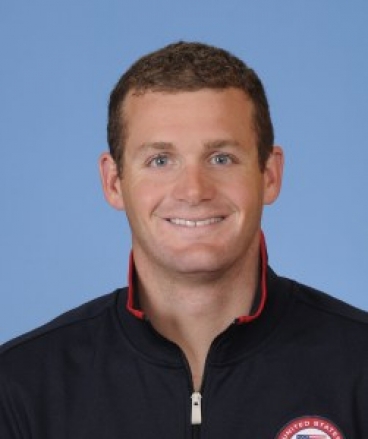
Tyler Clary
Tyler Clary won an Olympic gold medal in the 200 backstroke. He is also a dominant force in butterfly, freestyle, and IM! Talk about a master of all things swimming! Not only is Tyler obviously an incredible athlete, his swimming abilities are on par with his teaching abilities. You'll be amazed at how well he teaches the finer details of swimming fast!
Inquisitive, Educated Swimmers are Faster Swimmers! Sign up today!